)
)
)
-
Learn how the recently released Accident and Near-miss Tool helps organisations reduce the burden of managing incident records while ensuring compliance with Reporting of Injuries, Diseases and Dangerous Occurrences Regulations (RIDDOR).
It automates the collection of accident and near-miss records, allowing teams to filter by location, type or date. This helps you understand more deeply how risks occur and take informed preventive measures. -
This session cuts through the theory and gives a straight-talking, auditor-led view of what really happens during ISO audits.
Focusing on ISO 9001, ISO 14001 and ISO 45001, it explains how standards are interpreted in practice—not just what they say on paper. You’ll learn where businesses typically fall short, the common nonconformities auditors raise, and the difference between simply being compliant and having a system that actually works.
We’ll highlight the “red flags” auditors spot quickly, and give practical, no-nonsense guidance on how to prepare for audits without overcomplicating things.
The session will also cover upcoming changes to ISO 9001 and ISO 14001, with insight into how these are likely to be assessed in real audit situations.
-
Lone Worker Risks 2026: What’s Changing and How to Stay Ahead
• Explore how evolving work patterns are reshaping the safety, security, and wellbeing risks faced by lone workers across different sectors
• Understand how exactly lone working should be addressed in your risk management systems.Come along to hear expert guidance from Nicole Vazquez on future-proofing your approach to lone worker protection
-
PPE that does not perform is dangerous. Users put themselves into hazardous situations thinking they are protected when they are not. Employers are legally responsible for supplying suitable PPE to their employees that will perform when needed. It is therefore imperative that specifiers and buyers of PPE discharge their duties from a position of knowledge. John Hooker will give an overview of the current UK PPE marketplace, experiences from voluntary surveillance activities, updates on developing legislation and provide practical guidance on how to source PPE so that you can be confident that it will protect you and your employees.
Speakers -
While often seen as a security issue, the Terrorism (Protection of Premises) Act 2025, is at its core, about managing risk, something health and safety practitioners do every day. This practical session will examine the implications of the new duties and the differences between Standard and Enhanced Tier requirements. Attendees will leave with clear, sensible takeaways and the confidence to view the new requirements as an extension of the skills they already use to keep people safe.
-
The Government’s new Road Safety Strategy, launched in January this year, puts employers firmly in the spotlight. An estimated one in three road traffic fatalities, and over 30,000 injury casualties come from road incidents that involve someone who was driving or riding for work at the time. The Government’s response is direct - a pilot for a National Work-Related Road Safety Charter, aimed at reducing work-related road risk, improving safety outcomes, promoting organisational accountability, and encouraging good practice across industries.
But what does that actually mean for your organisation? In this session, Claire and Simon cut through the policy language to tell you exactly what’s coming, what’s expected, and what you should be doing now. Participation will initially be voluntary, but the strategy makes clear that regulatory measures will be considered if voluntary engagement does not deliver sufficient safety improvements. What will the government expect your business to do, and what are the likely consequences if you don’t comply? This is your chance to hear it straight from the source.





-
As we approach a transformative era shaped by technology and climate change, this session will explore the risks associated with the future of work. Hear from experts in the field of technology advancements, climate change and mental health, focusing on strategies for resilience, equity, and mental wellbeing. Join us to see how the OSH profession is evolving to develop a safe future of work.

-
An introduction to IOSH: how it can benefit your career and the wider OSH profession
-
What 200 safety and operations leaders and billions of data points from connected safety devices say about safety in 2026.
• Explore the gaps between worker training and real-world behaviour and how AI and predictive insights can help leaders anticipate risks
• Understand the need to shift from reactive to proactive safety
This session from Blackline Safety reveals where organisations are progressing - and where they’re stuck.


-
Poor safety culture has contributed to many major incidents and personal injuries. Phoebe will highlight how to make improvements by adopting a holistic approach to health and safety cultural improvement incorporating HSE's ASCENT – ‘Achieving Safety Culture Excellence Now and Tomorrow’ programme.
-
In this session, Alexis Powell-Howard explores the recurring workplace issues that routinely surface in counselling sessions and what they reveal about organisational life. She will highlight the individual controls and approaches that genuinely help people, and translate these into practical organisational strategies that leaders can adopt to better support their workforce.


-
In this session, Sean Elson from Pinsent Masons will explore the evolving legal landscape surrounding workplace wellbeing and mental health. Drawing on insights from UK regulators and developments in other jurisdictions, the session will examine how guidance and health and safety management standards are shaping employer responsibilities. Sean will also address the challenges posed by remote working and what these mean in practice. Attendees will leave with a clear understanding of how employer duties around psychological safety are evolving, and why it is essential to be part of this shift as the world of work continues to change.

-
As traditional safety indicators continue to improve, psychosocial harm is rising sharply driven by modern work pressures, external stressors and increasing emotional demands. This session explores how these factors are creating a new and often underestimated category of risk that directly affects safety, decision‑making, resilience and business performance. Moving beyond wellbeing initiatives alone, the talk examines the legal duty to assess work‑related stress like any other hazard and challenges organisations to integrate psychosocial risk into governance, leadership and everyday safety management, with clear, practical actions to prevent harm before it escalates.
-
Patrick Ball will join us on stage to talk about drug & alcohol misuse, gambling and all other hidden addictions in the workplace. He shares his powerful lived experience story, touching upon the safety risks of coming in under the influence, D&A policies, the danger of turning a blind eye and how to spot the signs and approach workers who may be struggling.
-
This session examines what the Government’s Keep Britain Working review means for OSH professionals and how national policy can be translated into practical workplace action. Panellists will explore prevention‑first approaches and early intervention, highlighting how employers and OSH practitioners can better support people to stay in work, return to work, and thrive.Speakers
-
This session explores how better visibility of driver behaviour can transform the way organisations approach safety. Using the real-world experience of Canal & River Trust, the panel will discuss how AI-powered video and data insights are helping organisations move beyond assumptions and toward measurable improvements in driver safety, culture and operational performance.
Rather than focusing on theory, the discussion will look at what actually happens when organisations begin monitoring driver behaviour at scale; how the data is used, how drivers respond, and how safety leaders can turn insight into meaningful change across a complex fleet.



-
Introducing you to how IOSH has developed the global standard for OSH professionals to support entry into OSH careers and a framework for professional development, highlighting the IOSH qualifications as a benchmark of competence for individuals and businesses.

-
Join health, safety and sustainability recruitment experts James and Michael for this session focussed on building a successful career in health and safety.
-
With 1 in 7 NHS staff reporting being assaulted at work, and 1 in 4 verbally abused during the last 12 months, violence and aggression can leave lasting effects on staff wellbeing. But it is not just an issue in the NHS, many sectors have seen an increase in aggression against frontline staff.
Timely, compassionate support is essential to help people feel safe. This session will share expert guidance on post incident support from Matt Hall CMIOSH with real-world, practical examples from the NHS that can be used in any sector. -
Learn how the award-winning HSE Safety Climate Tool enables organisations to measure their safety climate so they can make data driven decisions to best support their workers. We will also be showcasing exclusive benchmarking data so organisations can review their results against industry standards.



-
IOSH member session: Keeping up to date with Continuing Professional Development (CPD) and BlueprintPractical tips on what activities count towards your CPD and how reflective learning can be easily achieved. Learn how to get the most out of IOSH's CPD tool - Blueprint.

-
Occupational health and safety is still a relatively new profession, but nonetheless there is a huge quantity of information written about it. Lots of guidance, case studies, and opinions about what good looks like. Even for a specialist consideration like lone working. If we were to strip back all of that “noise”, what foundations would we find? In his keynote speech,
Duncan Spencer will challenge us to consider the answers to the following questions:
• How do the principles of good occupational safety and health relate to lone workers?
• How do they influence the creation and use of lone working policy and effective risk control?
• What are the challenges of extending the principles to cover wellbeing and mental health challenges for lone workers? -
Effective environmental management reduces exposure to pollutants, hazardous materials, and unsafe conditions, creating cleaner, safer, and more sustainable workplaces. By controlling waste, emissions, and resource use, organisations not only protect ecosystems but also prevent health hazards such as respiratory problems, chemical exposure, and accidents.
Learn how environmental stewardship strengthens occupational health and safety systems, fostering a culture of responsibility and long-term well-being. This event will include two inspiring case studies on the synergies between health and safety and good environmental practice.
Chairperson -
Join JSP Ltd, the UK and Europe's leading manufacturer of head protection, to explore what the new industrial and electrical helmet standards mean in practice.
In what is arguably the most significant update to industrial head protection in decades, the current standard for Industrial Safety Helmets in Europe and the UK (EN 397:2012+A1:2012) is set to be replaced by EN 397:2025, alongside updates to the electrical insulation helmet standard (EN 50365).
The new standards introduce defined helmet Types, enhanced compatibility testing, and clearer performance requirements—improving how helmets function alongside other PPE such as visors, face shields, ear defenders, and electrical protection systems.
As a result, these changes are likely to require a review of workplace risk assessments to ensure your selected helmet continues to provide the correct level of protection.
Join Matthew Judson from JSP Ltd to learn more about how these changes will impact your PPE selection, compliance requirements, and the practical steps you can take.
-
Strong evidence can drive better safety decisions. However, the methods used to produce, report, and apply evidence in the field of OSH are often fragmented.
This session brings together insights from Lloyd’s Register Foundation and IOSH to examine the current OSH evidence ecosystem. The panel will look at the value of existing reporting frameworks, and how practitioners use evidence to inform real-world safety decisions.
Join this conversation on how stronger collaboration between research, funders and the profession can build a more effective evidence base for safer work.Chairperson





-
Grey fleet vehicles account for a significant proportion of work-related driving, yet they’re often the hardest to control. Join Applied Driving and Connells as they share real-world insight into the challenges of managing grey fleet risk, and how clearer policies, better engagement and practical interventions can help organisations protect drivers, reduce liability and improve road safety across their business.
-
Discover how the IOSH Business Assurance Tool (BAT) assesses and advances your organisation’s OSH cultural maturity through a live demo and practical guide, empowering you to drive strategic safety improvements—plus, learn how to access a free trial to get started.


-
Employers have a legal duty to protect workers from stress at work by doing a risk assessment and acting on it. In this workshop session, Phoebe will guide you through the essential steps of a work-related stress risk assessment and the processes that you can use to help identify, communicate and manage the stress risk factors in your organisation. The session will outline employers’ legal duties in relation to stress and signpost to several solutions from HSE to support organisations in tackling this important issue.

-
This session positions mental health and wellbeing as a leadership and organisational risk issue, not just an individual concern. Drawing on his experience at Unilever and his global advocacy work, Geoff McDonald explores why mental health must be embedded into organisational strategy, culture and governance.
Delegates will gain insight into how leadership behaviours, psychological safety and purpose influence wellbeing, safety and performance - and why tackling stigma and enabling people to speak up is essential for resilient, high-performing organisations.
-
The 2026 updates to ISO 9001 and ISO 14001 represent a significant shift in how businesses will approach quality and environmental management. By preparing early, organisations can turn compliance into a competitive advantage, ensuring they meet future regulatory demands while driving operational excellence.
Wherever you are on your journey to certification, this session will help you stay informed, compliant, and ahead of the curve.
Join Garrett Byrne - Intertek Technical Director, for a practical overview of the key changes in ISO 14001:2026, what we know so far about the changes to ISO 9001:2026, and what they mean for your company.
Topics will include:
- The major updates and new requirements
- How the changes may impact your organisation and certification
- Practical steps to prepare for a smooth transition
- What auditors are likely to focus on under the revised standard

-
Want to become Chartered with your qualification and experience? Come and learn about our assessment processes and what's involved.

-
In this session, Rhian Greaves will look at the proposed Hillsborough Law and its potential impact on the work of health and safety professionals and others holding regulatory responsibilities.
-
What do the principles of good OSH actually look like in practice? In this session, OSH practitioners bring IOSH's guiding principles to life. Through real workplace examples, they show how these principles can shape decisions, influence leadership and help people go home from work safe and well.
-
Understand why sexual harassment remains a pervasive risk across sectors and for lone workers.
• Learn how awareness, early reporting, and a culture of zero tolerance can drive real change.
• Explore how digital tools like Hollie Guard can empower and enable discreet alerts, capture admissible evidence, and connect users to 24/7 police-approved support.Join PanicGuard to learn how education + technology work together to prevent incidents and hold perpetrators accountable.
-
Learn how the HSE Stress Indicator Tool enables organisations to measure work-related stress levels so they can make data driven decisions to best support their workers. We will also be showcasing the additional question-set for home and hybrid workers and exclusive benchmarking data so organisations can review their results against industry standards.

-
This session explores how emerging OSH professionals develop strong professional judgement as they grow into their roles. Panellists will discuss how their decision‑making has evolved over time, the experiences that accelerated their development, and the moments they realised that technical knowledge alone wasn’t enough. Attendees will gain practical insight into building confidence, capability and balanced judgement early in their careers.

-
Drivers aged 17–24 are three times more likely to be involved in a collision than other age groups, making young driver risk a critical issue for employers.
This session explores how organisations can better understand and manage the risks associated with graduates, apprentices and other young people who drive for work.Drawing on real employer case studies, it will highlight the scale of the challenge and show how early, targeted intervention can deliver significant improvements in safety.
Attendees will leave with practical insights into identifying risk, supporting young and novice drivers, and taking simple, effective steps to build a safer driving culture. -
This session will explore the critical role of fit and wearability in PPE adoption. While manufacturers are increasingly addressing these issues, many buyers attending the show are specifically tasked with sourcing appropriate or inclusive PPE and need practical insights. We’ll look at why poor fit leads to non-compliance, how wearability affects performance and safety, and what organisations can do to improve user acceptance. From gender-specific sizing to ergonomic design, this talk will help attendees understand how to specify PPE that workers actually want to wear.

-
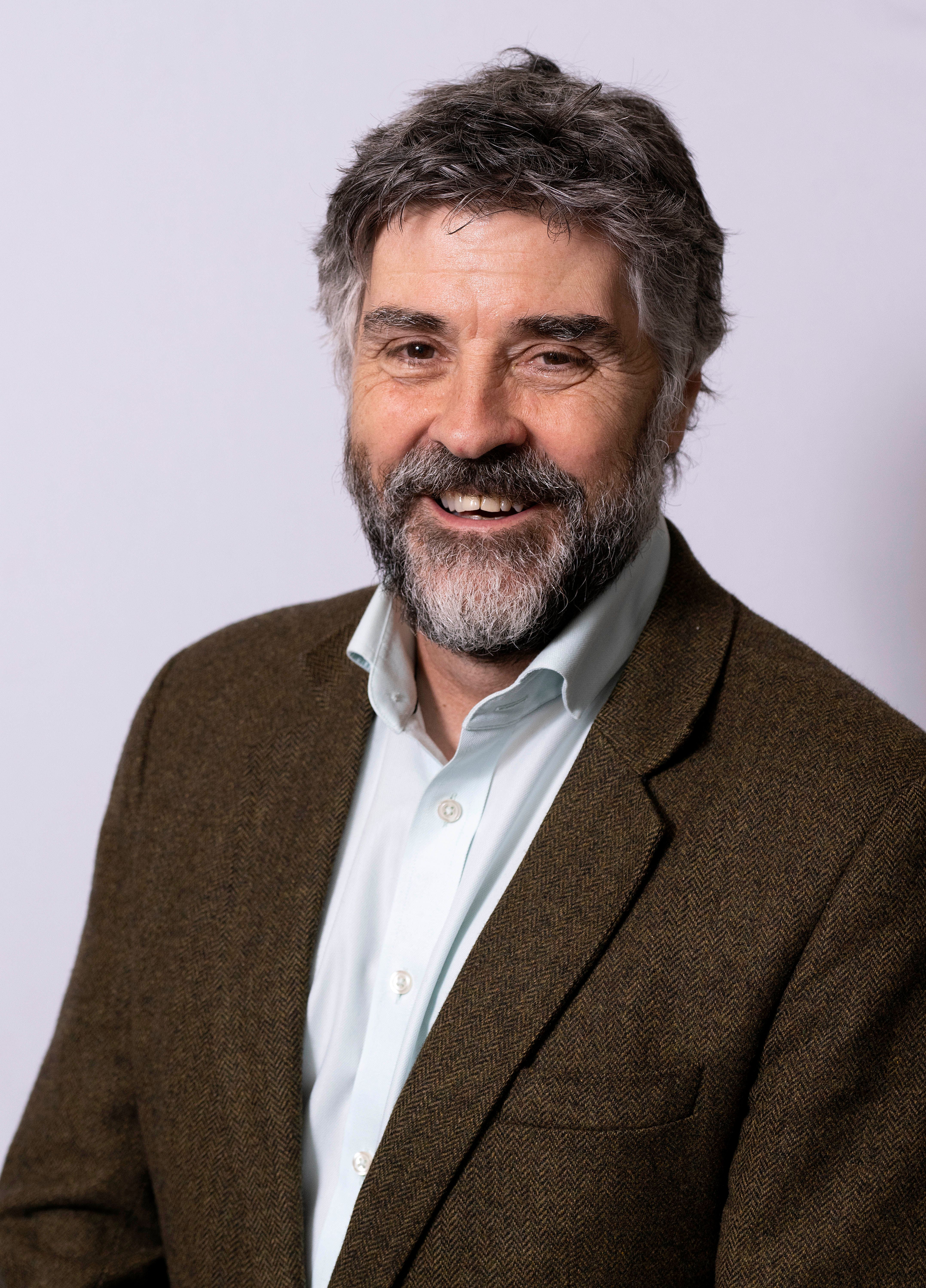
All people make mistakes and take risks and why this might make some individuals more vulnerable than others - but what if we aren’t there to observe their behaviour? Tim will explore the role of cultural and psychological safety, what these concepts really mean in practice, and how remote workers behaviours can strengthen or undermine them. If you want to find out how psychological safety influences risk perception, risk management, and overall mental health, then come along and join the conversation. You’ll take away practical insights and ideas for supporting wellbeing across dispersed workforces.
-
AI isn’t just advancing, it’s accelerating into our work and home lives at an unprecedented pace bringing excitement, uncertainty, and everything in between.
It’s the in-between moments that matter most, because if we don’t choose to be more human we risk becoming a version of ourselves that people can work with, but never truly connect with. In an AI driven world your strategic advantage won’t be what you know, it will be how human you choose to be.
This session is about how you gain, retain and strengthen your uniquely human edge in a world that’s rapidly losing it.
-
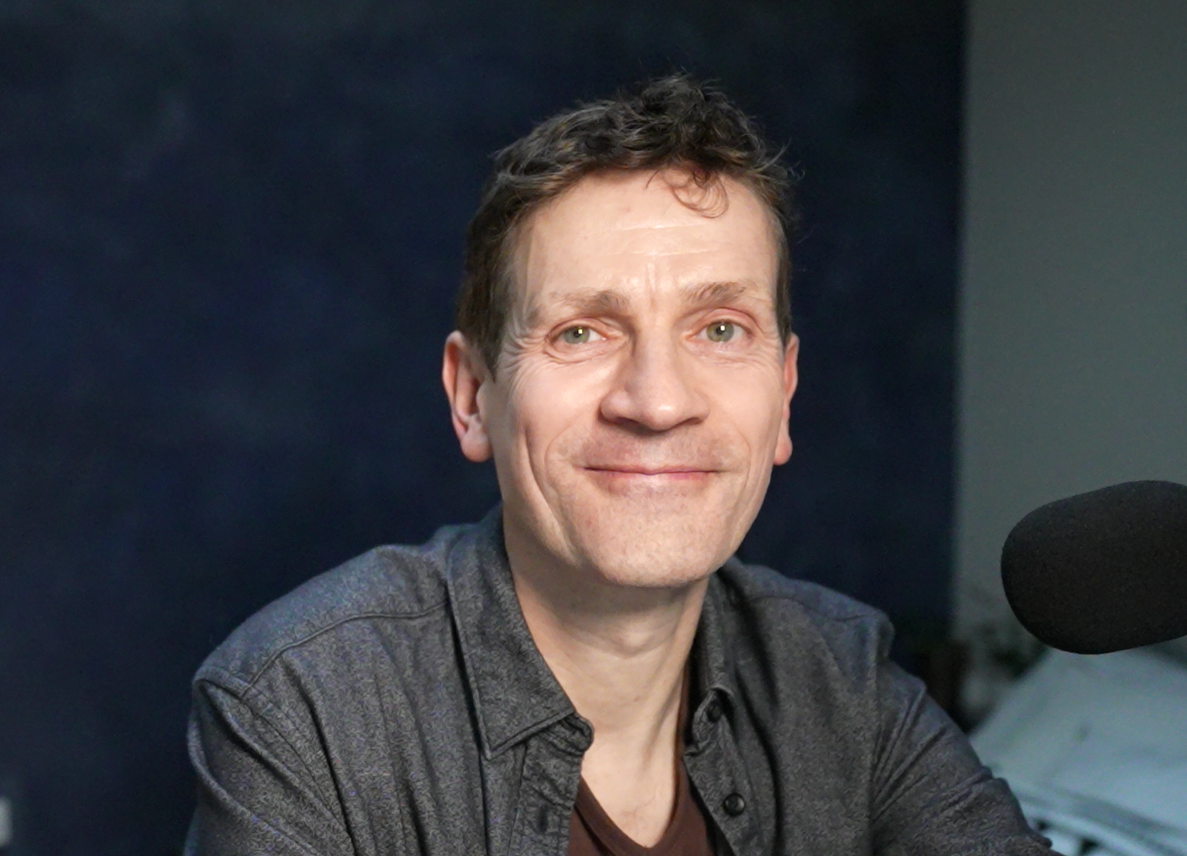
Most organisations treat safety as a compliance problem - the best ones treat it as a culture problem, and in this session Bruce Daisley shows exactly why that distinction matters, drawing on case studies from Alcoa, Network Rail and beyond to reveal how the right behaviours, rituals and habits build safety cultures that actually stick.
You'll leave with a practical framework for diagnosing where your culture is failing, four compelling case studies to take back to your organisation, and five concrete takeaways for OSH professionals navigating everything from small SMEs to large corporations - including what hybrid working means for the future of human connection at work. -
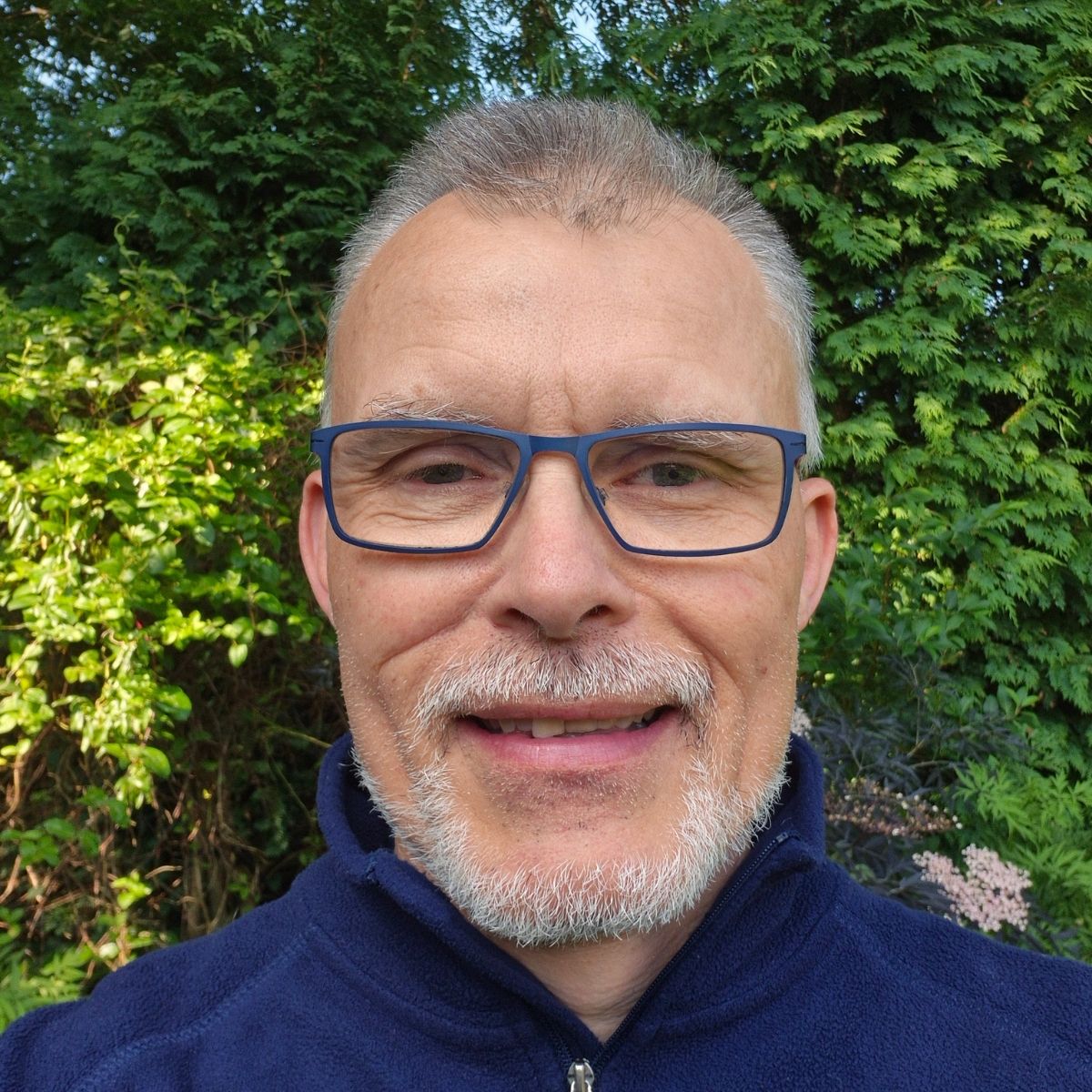
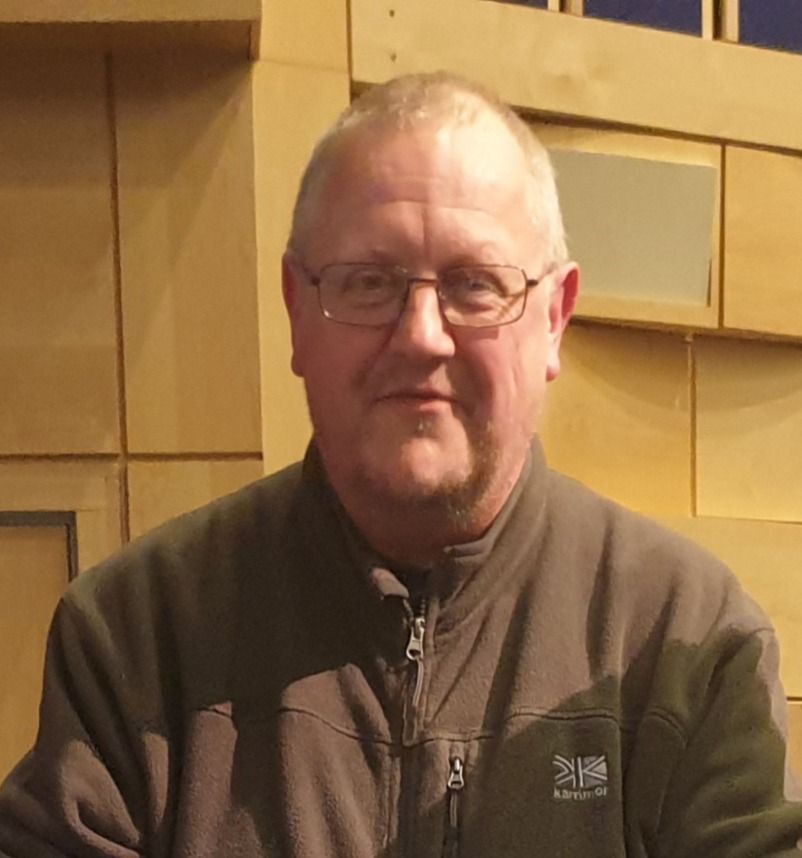
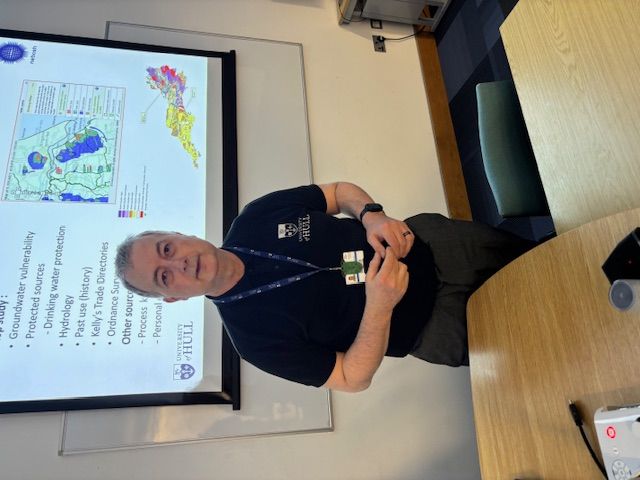
Join the University of Hull’s Health and Safety Masters specialists Richard Greaves and Iain Sharp for a dynamic session on what you really gain from the course - insider lessons, real-world research like AI and robotics, and honest student stories. Why it matters and what’s in it for you.
-
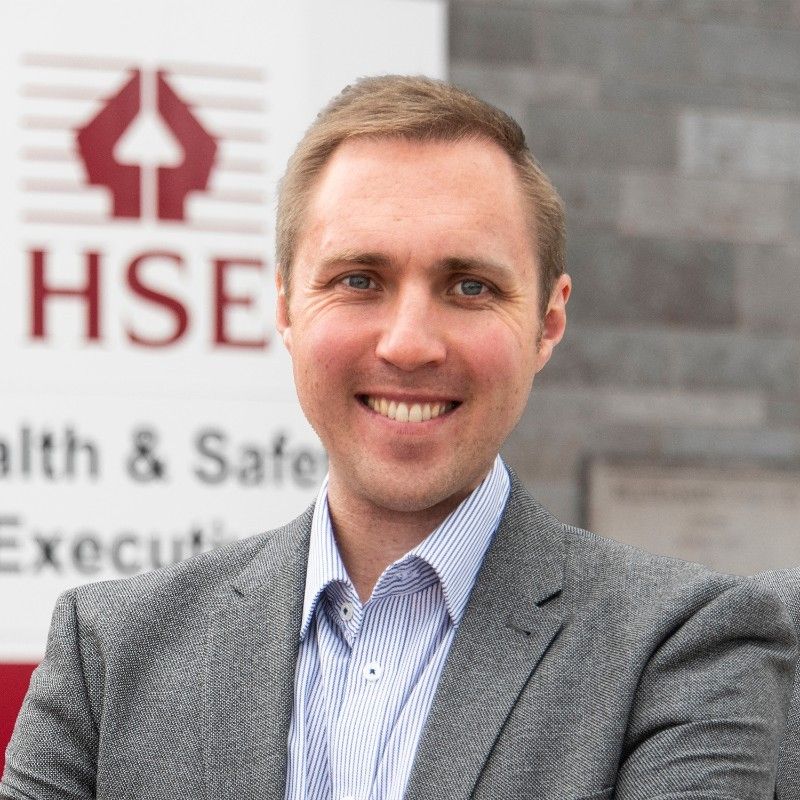
As a key component in ensuring that workers are competent to perform their roles in a healthy and safe way, its vital that training is appropriate and effective. During this session, Chris will discuss the ways that competence is achieved, explore employers' responsibilities and focus specifically on what should be considered when workplace training is being developed and/or sourced - including the principles of effective learning design and current L&D trends.
-
An introduction to IOSH: how it can benefit your career and the wider OSH profession
-
Join Jeni for a session exploring how listening to frontline experiences can drive meaningful improvements in safety across the rail sector and beyond. The session highlights why workplace violence and antisocial behaviour are shared challenges that require collaboration with communities and stakeholders, and how frontline voices are essential in shaping credible, effective responses.
You will leave with a clear understanding of how empowering people with the right tools and confidence helps ensure everyone can come to work feeling safer, even when external behaviours are beyond our control.

-
Personal Protective Equipment (PPE) is most effective when it is worn correctly, consistently, and designed to work as a complete system. In today’s workplaces, employees rarely face a single hazard at a time-meaning multiple types of PPE must function together without compromising comfort, communication, or performance. This session will introduce the 3M Integrated Protection Programme, a practical approach that helps organisations reduce the challenges workers experience when combining different PPE solutions. Attendees will learn how integrated technologies, thoughtful product selection, and validation through fit testing can support greater comfort and compatibility, helping to encourage continuous use throughout the shift.
-
Driver behaviour and safety culture continue to be the greatest challenges facing organisations managing work-related road risk - and the evidence comes straight from the health and safety profession itself. Drawing on fresh survey insights and decades of behavioural safety expertise, Professor Tim Marsh explores why culture matters, what really drives behaviour behind the wheel, and how organisations can move beyond policy to create meaningful, lasting change.

-
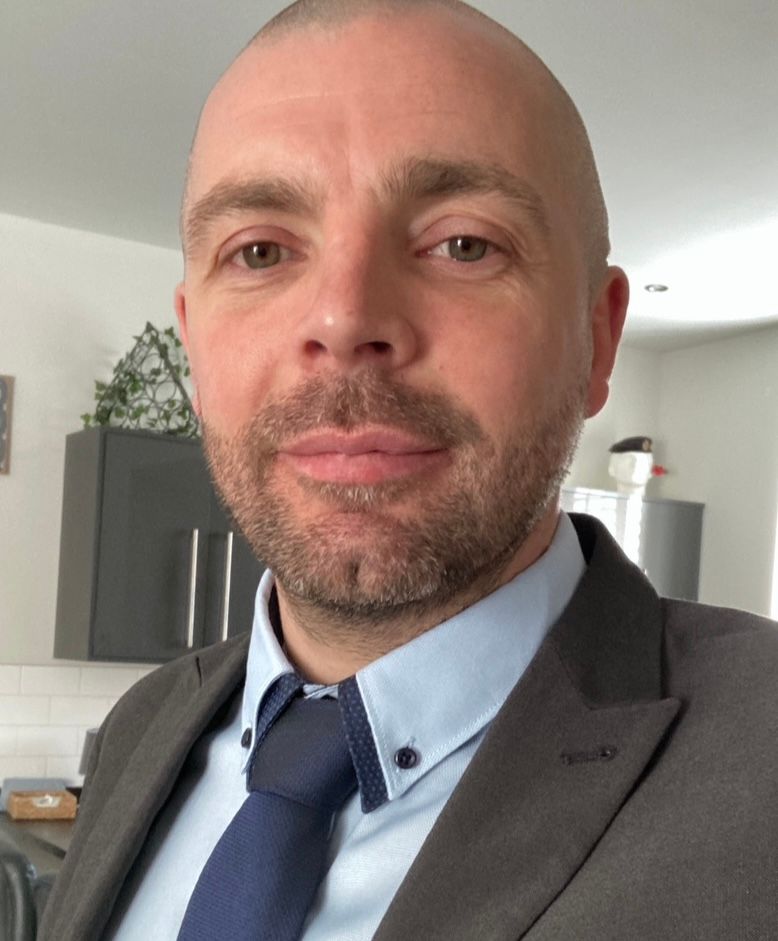
Artificial intelligence is increasingly influencing how organisations identify risk, monitor compliance and improve safety performance - but what does this mean in practice for OSH professionals?
This session draws on insights from Phoenix Health & Safety’s exclusive NEBOSH Verified Artificial Intelligence - Application in OSH course, to offer attendees a clear, real-world perspective on how AI can be integrated into existing safety strategies to support proactive risk management.
It will provide an overview of current AI applications including predictive risk analytics, intelligent safety management systems and emerging technologies such as computer vision and wearables. Key considerations around governance, ethics and responsible implementation will also be considered.
-
Lone working has existed throughout history, but approaches to safety and protection have evolved significantly over time. In this session, Mike White explores how lone working practices have developed, how we’ve arrived at today’s safety standards, and what the future might hold for protecting lone workers in an ever-changing world.
-
Discover how the IOSH Business Assurance Tool (BAT) assesses and advances your organisation’s OSH cultural maturity through a live demo and practical guide, empowering you to drive strategic safety improvements—plus, learn how to access a free trial to get started.
-
Join members of the IOSH Future Leaders Community Steering Group for an interactive panel discussion exploring how young HSE professionals turn theory into practice. Our speakers will share real-life experiences of navigating complex situations, balancing organisational pressures with safe outcomes, and building the confidence and influence needed to grow in Health & Safety careers.
-
Brought to you by The Safety Net Foundation and our Women In Industry Ambassador Programme, this discussion explores the realities facing women working across the safety sector today - from representation and progression to workplace culture and leadership visibility.
The panel will reflect on the challenges that remain, the progress being made, and the practical steps organisations can take to create more inclusive, supportive and forward-thinking environments. Looking ahead, the session will consider what meaningful change looks like in practice, and how the industry can continue evolving.



-
Practical ways to address isolation, stress, and mental health risks in dispersed workforces.

-
IOSH member session: Keeping up to date with Continuing Professional Development (CPD) and BlueprintPractical tips on what activities count towards your CPD and how reflective learning can be easily achieved. Learn how to get the most out of IOSH's CPD tool - Blueprint.
-
There is significant responsibility on both those providing and purchasing new machinery, to ensure that it is safe for use at work. This informative sessions gives an overview of the regulations covering the design, manufacture, and supply of machines. It will also offer an introduction to the recently refreshed machinery safety courses available from HSE.
-
Transform safety data into clear, compelling visual stories that bridge the gap between numbers and meaningful action. This session covers the practical fundamentals of building high-impact charts and visualisations that make safety performance trends immediately visible. By mastering audience-tailored design, you will learn to communicate effectively with everyone from the shop floor to the boardroom, helping your safety insights contribute to better decision-making across the organisation
-
Drivers with poor collision history, regular motoring offences, and those regularly caught corner-cutting or not following policies. It’s one of the most prickly subjects – how do we deal with these drivers and how do we get them to improve? This session will help you understand how to assess your drivers correctly and understand how to strike the right balance between encouragement, support and disciplinary action including suggested actions for each scenario.
-
Regulatory demands are constantly evolving. Many organisations still rely on rigid EHS systems that struggle to keep pace with real operational needs. But what if your EHS system could adapt to your requirements - not the other way around?
In this session, leaders from UCB Biopharma and EHSwise come together to share how a flexible EHS Software is transforming the way health and safety processes are managed, engaged with, and scaled across complex environments, with UCB’s journey providing a real-world case study.
Through practical examples and insights from UCB, this panel will explore how adaptable EHS systems enables faster implementation, stronger workforce adoption, and continuous improvement without heavy reconfiguration. Join us to discover actionable ideas to better align your EHS management with the realities of your organisation.
-
Based on their latest research, EcoOnline will explore the evolving landscape of risk for lone workers - from extreme weather and cyber threats, to increases in aggression and violence.
You will learn how technology can improve preparedness and response, stopping risks from becoming crises.
Walkaway with seven actionable steps for zero harm readiness.
-
Many organisations manage quality and safety processes through spreadsheets, shared drives and email workflows. While these tools may work locally, they often make it difficult to maintain oversight and consistency across multiple sites.
In this session, Bizzmine and Greenyard share how the international food group began structuring its quality and safety processes through a digital platform. The presentation explores the practical steps involved in moving from fragmented tools to a more consistent way of managing complaints, documentation and corrective actions across different locations.
Drawing on real-world experience, the session offers insight into how organisations can improve visibility, collaboration and process consistency in QHSE management.
In this session, you will learn:
- Why local tools often limit visibility across sites and teams
- What challenges organisations face when standardising QHSE processes across multiple locations
- How structured workflows can support complaint handling, documentation and corrective actions
- What organisations should consider when introducing a shared digital system for QHSE management






-
Full of practical tips, Robert will share steps for safer travel, and explore the importance of heightened awareness, the power of confident body language and recognising and responding effectively when something feels "off."
Robert will also explore what to do and how to seek help in a threatening situation, this session will give you plenty food for thought.
-
Join IOSH President-Elect as he opens Day 2 of the IOSH Keynote TheatreSpeakers
-
Want to become Chartered with your qualification and experience? Come and learn about our assessment processes and what's involved.
-
This talk will examine violence in organisations at its most extreme - sexual harassment and abuse. Drawing on a number of studies, it will adopt a prevention-focused approach to outline how organisations need to think differently about these events, their targets, perpetrators, and those who witness them. Prof. Rosalind will outline the social, cultural and structural factors that can underpin these events. She will illustrate her talk with images from three prevention-focused animation resources that you can then access.Chairperson

-
In UK construction, workplace injuries and work-related ill health lead to 2.2 million working days lost every year, costing the sector around £1.4 billion annually. In times of economic uncertainty, the challenge for construction isn’t whether to invest in safety – it’s how to make it a critical enabler of operational and financial performance. In this panel, EcoOnline’s VP of Global Solutions Consulting, Justin Ibbs, will moderate a discussion with senior safety professionals from leading construction organisations on how safety culture drives productivity, operational efficiency, and long-term growth.
The panel will discuss:
- Programmes they’re introducing to enhance safety culture for today’s workforce
- Focusing on leading indicators to unlock new aspects of safety effectiveness
- How connected safety solutions give a holistic view of operations and risk
- Practical routes to engage workers with safety initiatives
- The impact of safety and engagement on productivity and retention
- How they demonstrate the commercial value of safety to the wider business


-
This session will share a snapshot of the Health & Safety market, drawing on insights from the last three years to highlight key trends we are seeing across salary levels, location, working patterns, and Equality, Diversity & Inclusion. I’ll explore how the market has shifted, where demand and rewards have changed, and what this tells us about the evolving H&S profession. These insights will help attendees understand how careers are developing, how teams are being structured, and what good looks like in today’s market. This is a valuable session for anyone looking to benchmark their own career progression or for organisations seeking to attract, retain, and build strong H&S teams.
-
Learn how the HSE Stress Indicator Tool enables organisations to measure work-related stress levels so they can make data driven decisions to best support their workers. We will also be showcasing the additional question-set for home and hybrid workers and exclusive benchmarking data so organisations can review their results against industry standards.

-
Drawing on insights from the 2025 Burnout Report, this session explores why field workers, and lone workers in particular, face significantly higher risks of stress and burnout. We’ll examine the critical role that supervisory support and peer-to-peer relationships play in protecting wellbeing, and why these connections become even more vital when individuals work alone. The session offers practical guidance on strengthening support networks and creating healthier, more sustainable working conditions for dispersed teams.

-
PPE for Every Body - a panel discussion on ensuring organisations get the most from BS 30417 and EN ISO 16321 giving you the opportunity to find answers to your questions on sourcing inclusive PPE.
The age of buying PPE in bulk to get a good deal is definitely past. The introduction of BS 30417 and EN ISO 16321 means that employers in all industries will have to consider their employees individual needs when providing PPE. Differences in gender, size, shape, culture and disability will have to be assessed and provided for. Ken Smith chairs a panel of industry experts to answer some of the questions created by these changes.
Chairperson


-
Discover how the IOSH Business Assurance Tool (BAT) assesses and advances your organisation’s OSH cultural maturity through a live demo and practical guide, empowering you to drive strategic safety improvements—plus, learn how to access a free trial to get started.
-
In April 2025 HM Senior Coroner Dr James Adeley issued a Prevention of Future Deaths notice to the Transport Secretary following inquests into 4 fatalities from 3 collisions where defective eyesight was the main factor.
Research shows that over 720,000 drivers nationally would fail a roadside eyesight test. Under legislation known as Cassie’s Law, drivers who fail a roadside number plate test could have their licence revoked on the spot. For managers, this highlights a significant driver safety risk as well as a service delivery risk. Clear vision is fundamental to safe driving, yet eyesight risks are often overlooked. This discussion will explore the real-world consequences of poor vision, the responsibilities of employers and drivers, and what organisations can do to reduce risk before incidents occur.Speakers


-
Jason Burt discusses organisations’ legal responsibilities and the implications of 'getting it wrong'. Jason will explore corporate and personal liabilities, the ‘reasonable' test, real world implications, and the potential consequences in terms of sentencing and fines. This interactive session offers you an opportunity to pose questions and get some expert advice.

-
What real incidents teach us about the human cost of safety failures.
-
Dr Julie Riggs confronts an uncomfortable truth: while we rigorously control visible safety risks, we have learned to tolerate health risks that would be unthinkable if they were sudden or dramatic. The result is a slow-burn crisis hiding in plain sight, costing the UK economy around £150 billion a year and steadily eroding workforce capacity and resilience. Blending population health data, behavioural science and safety thinking, this talk reframes health not as wellbeing or healthcare, but as risk, a risk we have normalised and pushed downstream. It is a wake-up call for leaders and safety professionals who believe prevention must move upstream, before harm becomes inevitable.
-
Slips, trips and falls are the leading cause of major injuries in the workplace. These injuries can be devastating for the individual involved and they generate a huge financial burden on industry. This session will provide an overview of slip, trip and stair hazards, as well as support, guidance and training available from HSE. It will also introduce several new solutions, including a slip assessment tool and online learning.
-
Exploring the connection between trauma, shame and violence and practical skills that will help OSH professionals be trauma-informed in handling sensitive situations and interactions.Chairperson


-
An introduction to IOSH: how it can benefit your career and the wider OSH profession
-
Personal protective equipment (PPE) plays a critical role in safeguarding workers across sectors but it also represents one of the most challenging waste streams to manage sustainably. Our panel brings together leaders from across the industry to explore how circular economy principles are reshaping the future of PPE.
Together, the speakers will examine the full lifecycle of PPE, from material selection and design to scalable reuse, recycling, and remanufacturing models. They’ll discuss emerging technologies, risks and opportunities within the supply chains, the role of procurement in driving market change, and how the practical, regulatory and behavioural barriers can be overcome through creative systems thinking and collaboration.




-
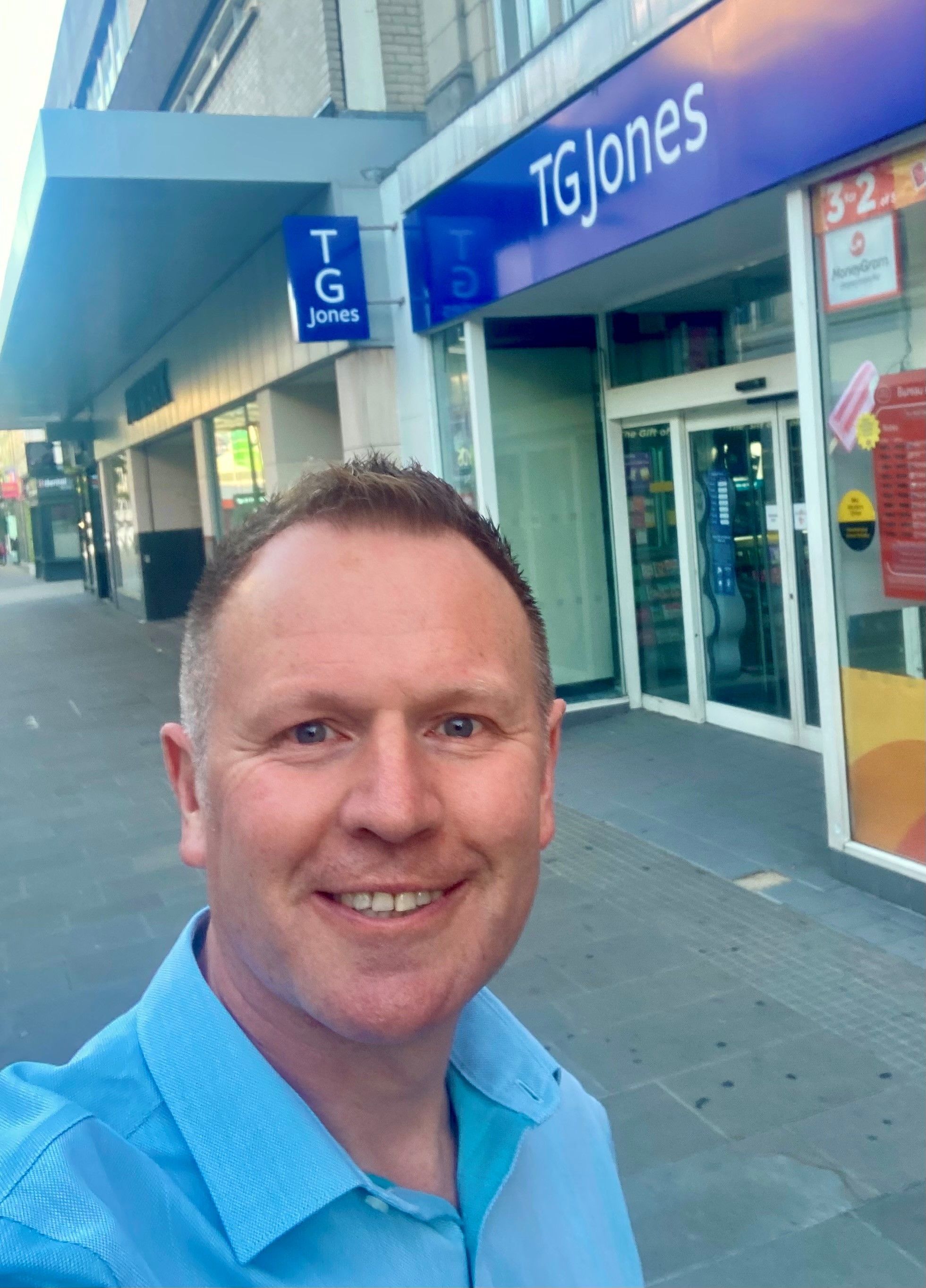
Aggression towards frontline and retail staff has reached record levels - with incidents involving weapons and physical attacks rising sharply. In this data-driven session, SoloProtect and TGJones (formerly WHSmith) examine what’s driving the surge and how organisations can respond through smarter prevention, stronger culture, and practical steps to protect lone and public-facing workers.

-
This panel explores how the safety technology landscape is evolving and what the next two years may hold for organisations managing H&S. Bringing together industry perspectives from specialist contractors in the renewables and construction sectors, alongside the Head of Safety at BESA, the discussion will examine how digital tools are supporting better risk management and operational oversight.
The panel will reflect on lessons learned from real-world implementation, the challenges organisations face when adopting safety technology, and where innovation is likely to deliver the greatest impact. Attendees will gain practical insight into emerging trends shaping the future of safety management.



-
Introducing you to how IOSH has developed the global standard for OSH professionals to support entry into OSH careers and a framework for professional development, highlighting the IOSH qualifications as a benchmark of competence for individuals and businesses.
-
As we get older, we know our health deteriorates. Commercial drivers are statistically well below average with worse health conditions and more co-morbidities. As they retire, they are being replaced by younger drivers, but new research is showing this younger cohort to have even worse health than those they are replacing. This is unexpected but critical information for those managing driver health as it leads to poor performance, service disruption and higher costs through staff absence and significantly increased corporate risk.
The panel will discuss the emerging trend for poorer health in younger staff, causation factors and the research backing this up, the consequences of failing to address driver health, your corporate responsibilities in relation to driver health and key steps to help you start addressing the issues raised.Chairperson -
Gen Z is now firmly embedded in the workforce, yet many health and safety frameworks were designed for a very different generation of worker. Drawing on insights from the Youth Voice Census, this session explores how young people experience work, supervision, risk, wellbeing, and psychological safety - and what this means for occupational safety and health professionals.
From communication styles and confidence levels to mental health vulnerability and early exposure to insecure work, Gen Z brings new strengths and new risk considerations. The session will examine where traditional safety approaches may be misaligned, and how organisations can adapt supervision, training, and risk education to better protect and empower young workers.
The central message is clear: protecting young workers requires more than compliance - it requires understanding how they experience work.Chairperson -
Those responsible for the safety of machinery need to understand the basics and limitations of how interlocking and other sensory safeguards operate. This session covers the assessment of machinery safety-related control systems necessary to meet the established benchmarks, focussing on the move towards automation (including robot safety, collaborative robots and AI), considering the ongoing need for adequate maintenance and the considerations relating to automatic or remotely updates. It will also offer an introduction to the recently refreshed machinery safety courses available from HSE.



-
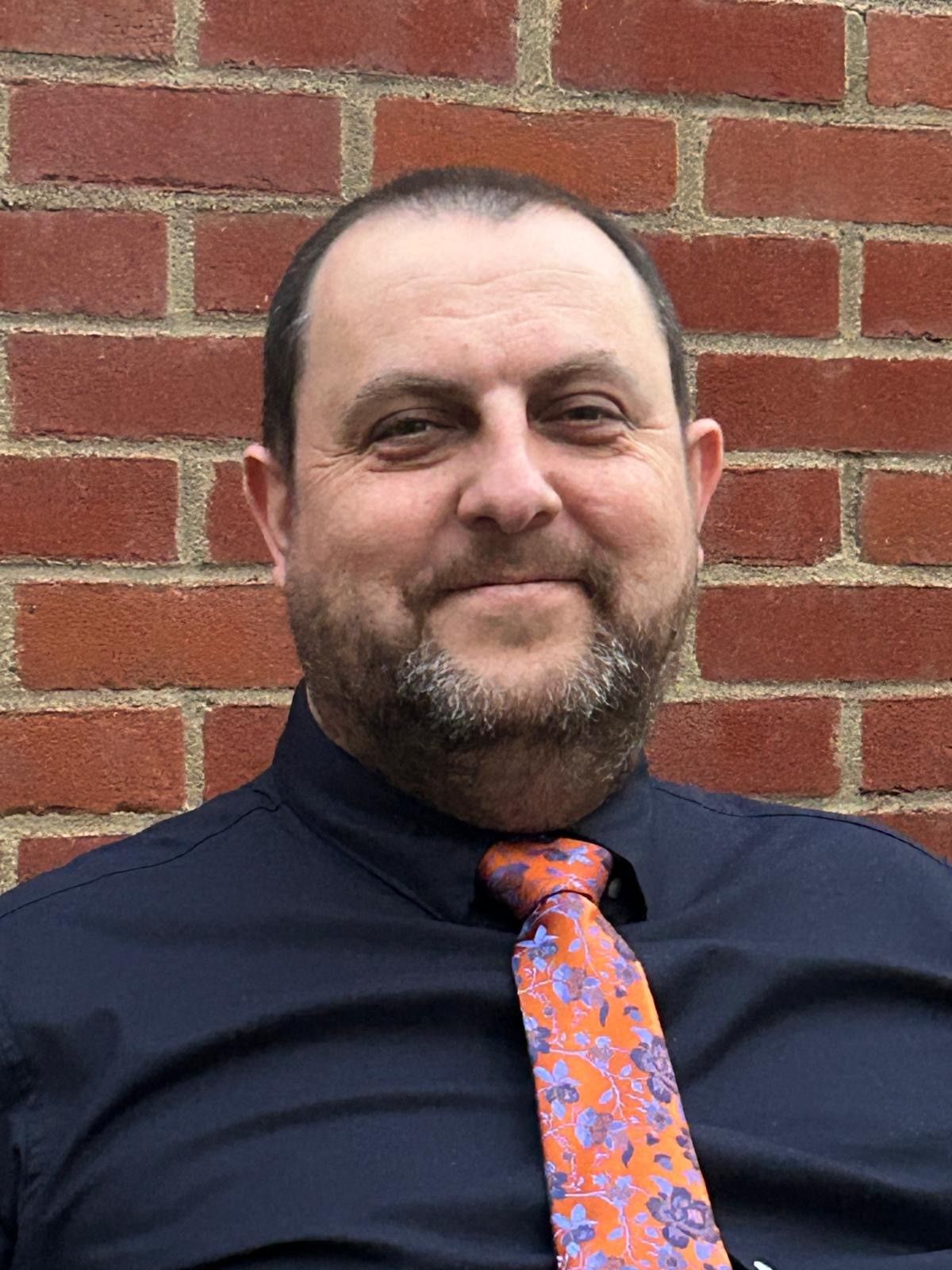
Selecting the right mask is only the beginning. Are you confident your equipment is being worn correctly, maintained, and stored safely? Is training up to date?
This session will provide an overview of an RPE audit, helping you turn your RPE provision into a RPE Programme that is structured and robust enough to enable you to demonstrate both protection and compliance.
-
IOSH member session: Keeping up to date with Continuing Professional Development (CPD) and BlueprintPractical tips on what activities count towards your CPD and how reflective learning can be easily achieved. Learn how to get the most out of IOSH's CPD tool - Blueprint.
-
The Worker’s Protection Act 2023 imposes duties on employers to take proactive steps to protect colleagues from sexual harassment.
Join Nicole Vazquez and the Worthwhile Training Forum Theatre Team in this multi-media, interactive and drama-based session to explore real life lessons for individuals and organisations when incidents are not managed well.
Please note: this session contains content that some people may find upsetting.
The session will use a case study to explore
- the prevalence and risk factors of sexual harassment in UK workplaces
- the potential impact when reports of sexual harassment are not managed well
- key legislation and your organisation’s legal responsibilities, including those associated with ‘third-party’ risks
- a step-by-step framework to ensure managers and individuals are equipped to protect, empower, and support your workforce
-
Psychosocial risk assessment can be delivered in several ways, and existing engagement data does not always cover all regulatory requirements. This joint session uses a live case study from Eurotunnel to explore pragmatic choices in building a robust psychosocial risk assessment across the UK and France. It examines how targeted survey tools, facilitated employee engagement, and existing engagement data can be combined to create a proportionate, defensible assessment that meets legal and regulatory expectations while remaining practical for complex organisations.
-
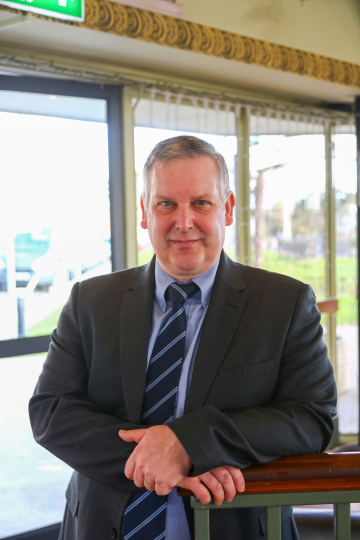
Drawing on experience across high‑risk sectors including aviation, pharmaceuticals, healthcare, and high‑performance motorsport, Safety Rocks’ Founder, Carla Crocombe, will challenge outdated views of safety training and demonstrate how engaging, modern methodologies create genuine behavioural change. During this session, Carla will share practical insights to show how real commitment and engagement can be achieved—helping organisations shift safety culture, reshape perceptions, and strengthen risk appetite.

-
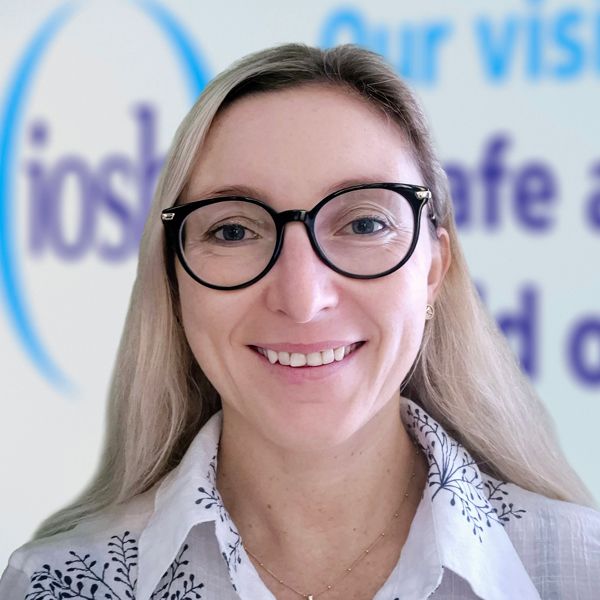
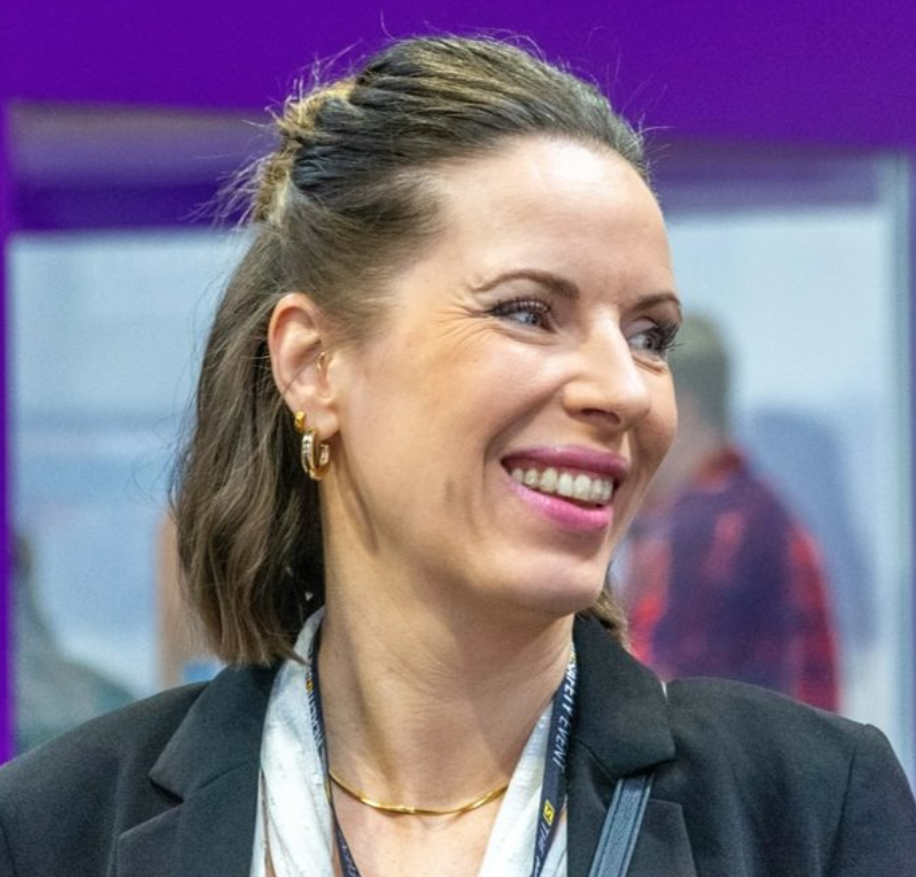
Step inside the world of health & safety with a mentor-mentee duo from FLSG. Hear how mentoring shaped their careers, the challenges they overcame, and the lessons they learned along the way. Discover how IOSH mentoring and membership can guide and accelerate your own professional journey.

-
Learn how the award-winning HSE Safety Climate Tool enables organisations to measure their safety climate so they can make data driven decisions to best support their workers. We will also be showcasing exclusive benchmarking data so organisations can review their results against industry standards.
-
Discover how the IOSH Business Assurance Tool (BAT) assesses and advances your organisation’s OSH cultural maturity through a live demo and practical guide, empowering you to drive strategic safety improvements—plus, learn how to access a free trial to get started.
-
In this talk, Richard Broad and Andy James, will address the technical and operational imperative of futureproofing Health and Safety Management Systems across multi-site, multi-discipline estates by drawing on combined service experience in Fire Safety, Health and Safety, Legionella Control and Asbestos Management. The session will set out pragmatic, systems-led strategies to ensure resilience, regulatory alignment and continuous improvement in an evolving risk and compliance landscape.


-
Almost 50% of UK adults gamble and 1.4 million of those gamble at a level serious enough to require support. A gambling disorder causes sleep disruption, emotional instability and compulsive mobile phone use - often while driving! Someone with a gambling disorder is also 5-7 times more likely to take their own life.
Presented by John Gilham, Trustee & Systems Lead at Gambling Harm UK, this talk examines the relationship between gambling-related cognitive distraction and driver safety - impacting attention, reaction times, and decision-making on the road. The presentation highlights risk awareness and organisational considerations for supporting employees and promoting safer behaviours in driving contexts.
-
Long before people go off sick, unmanaged health risks quietly drain performance - through fatigue, discomfort, distraction, reduced concentration, and lower morale. The result is a hidden productivity tax that has a real impact on output, quality, and retention.
Why attend?
- Gain insight into the regulator’s focus health and wellbeing
- Understand where small improvements deliver the biggest gains
- Take away practical steps to support people and performance
-
This thought‑provoking session will dive into three powerful forces reshaping the future of workplace safety:
1) Climate change and its evolving impact on risk
2) The rapid rise of AI and what it could mean for safety practice
3) How embracing diversity can unlock safer, stronger organisations
Join Simon as he brings these themes to life through fresh perspectives, leader insights and practical actions you can take forward in your own organisation.

-
This session will be facilated by members of The IOSH Enviromental Waste Management Community.
-
This session will explore the unique personal safety challenges in retail and hospitality, from late-night shifts to aggressive customers. Learn why flexible operations matter, how to reduce costs without compromising safety, and how prioritising staff protection can boost recruitment and retention. Gain practical insights for leaders responsible for staff safety and wellbeing.
-
This keynote explores how OSH practitioners can expand their influence beyond traditional compliance to support sustainability leadership. By integrating environmental risk management, supply chain oversight and governance frameworks, OSH professionals can play a critical role in delivering sustainable outcomes. Using examples from real compliance and auditing systems, Tamma Carel will demonstrate how practical tools, better reporting cultures and stronger accountability can transform sustainability from aspiration into action.
-
As well as being Great Britain's national regulator for workplace health and safety, HSE is one of the world's leading providers of health and safety solutions to industry, commerce, government and pr …


-
Health & Safety professionals are increasingly expected to manage complex industrial hygiene risks such as noise, vibration, and dust, often using fragmented data from multiple sources. Traditional monitoring methods can make it difficult to gain a clear, timely picture of worker exposure across roles, tasks, and environments.
This session explores how connected technology is enabling a more integrated approach by bringing multiple exposure data streams into a single, unified view — a “single pane of glass” for workplace risk. By combining real time monitoring with connected analytics, Health & Safety teams can move beyond disconnected datasets to gain clearer visibility of exposure patterns as work takes place.
The discussion will touch on evolving approaches to vibration management, including emerging 2026 considerations for HAVS and forthcoming ISO guidance, and how regular, task level exposure data is influencing how organisations monitor and manage risk.
Attendees will gain insight into how connected ecosystems and collaboration with industry leaders in noise and dust monitoring are supporting more informed decision making for Health & Safety and industrial hygiene teams alike.

-
What makes some safety leaders more effective at engaging their teams and sustaining safer behaviours? In this 30‑minute discussion, we’ll explore that question by reviewing a detailed leadership assessment with a senior safety professional. The tool provides a nuanced view of leadership behaviours and decision-making styles—highlighting how these patterns shape safety culture from the top down.
Drawing parallels to tools like the Saville Wave but tailored specifically to health and safety competencies, the discussion will reveal how this kind of analysis can help leaders understand not only their own style and motivators, but how their approach influences team cohesion, communication, and performance. Participants will gain insight into how leadership assessments can be used both for personal growth and for strategically shaping high-performing safety teams—identifying development needs, improving collaboration, and informing future recruitment and talent planning. Expect a practical, reflective conversation that invites you to consider what your own leadership profile might reveal about the culture you create.
-
Connected technologies don’t replace people - they empower safer, faster decisions. This presentation looks at how AI and IoT are changing lone worker protection through smart monitoring and real-time response. Learn about practical examples of connected wearables, data-driven safety insights, and key challenges organisations face when bringing these technologies into different work environments.
-
We’ve overused resilience to the point it’s unhelpful, even harmful. This keynote challenges the default response: “be more resilient.” Instead, we need a dual approach — fix the workplace and let people be more human. By redesigning systems and expectations, we reduce unnecessary pressure, and by giving people permission to release stress rather than hold it in, we help them truly thrive. Learn how to build resilience through release, create environments where people flourish, and shift from surviving pressure to designing workplaces that actually work.Speakers



-
IOSH member session: Keeping up to date with Continuing Professional Development (CPD) and BlueprintPractical tips on what activities count towards your CPD and how reflective learning can be easily achieved. Learn how to get the most out of IOSH's CPD tool - Blueprint.
-
In the race to adopt AI safety technology, many fleets find themselves drowning in "noise" rather than actionable "signal." This session cuts through the buzzwords to explore why accurate AI is the essential foundation for driver trust and safety culture. Learn how to distinguish between meaningful alerts and false positives, and discover a practical, vendor-agnostic framework for evaluating performance through side-by-side trials to ensure your technology saves lives instead of just creating admin.

-
Tackling sexual harassment, violence, and aggression - prevention, reporting, and organisational response.Chairperson


-
The Construction (Design & Management) Regulations (CDM) are often misunderstood, especially regarding the application of the Regulations. In this interactive technical workshop, Craig will probe your understanding, tackle some of the myths and provide practical advice on not just how to comply, but also how to get the most out of the Regulations.Speakers
-
An introduction to IOSH: how it can benefit your career and the wider OSH profession
-
With the changes to UK mobile phone networks, it is important to understand the potential impact on lone worker devices and ultimately their safety. Join us to explore the challenges and solutions.
• Understand the drivers for these changes
• Explore the advantages of 4G and 5G
• Find out what this means for legacy 2G lone worker devices?
• Take away solutions to future-proof your organisation when looking at lone worker technology solutions options. -
Dr Ross Moloney, CEO of the LEEA (The Lifting Equipment Engineers Association) examines why health and safety challenges persist despite well established regulations. He will explore how markets fail when quality, competence and compliance are invisible – and why this drives a dangerous race to the bottom. Ross will look at the real human and commercial cost of poor standards, alongside the proven business value of investing in safety.
The session outlines LEEA’s role in making quality legible to the market and challenges delegates to consider a critical question: if we reward only price, what happens to safety?
Speakers -
Learn how to complete and analyse musculoskeletal disorder risk assessments using HSE's digital tools: ' Manual Handling Assessments Charts (MAC) tool ' Risk Assessment of Pushing and Pulling (RAPP) tool ' Assessment of Repetitive Tasks Tool (ART) tool ' Back Injury Risks in Driving (BIRD) tool These digital tools enable assessors to complete assessments more accurately and efficiently by following a logical step-by-step approach. Once completed, the system stores and consolidates all assessments so they can be easily reviewed and analysed.
-
Hearing protection is widely used to control workplace noise exposure, yet many hearing conservation programmes still struggle in practice. In some cases, the protection intended to reduce risk can create unexpected challenges for both workers and safety professionals.
This session explores the “hearing protection paradox” – why protection that appears correct on paper does not always work as intended in real working environments. Drawing on observations from industry, the talk will highlight emerging issues affecting modern hearing protection programmes and consider practical questions safety professionals should be asking when reviewing their approach.
Attendees will gain fresh insights into how hearing protection performs in real workplaces and how small oversights can influence both safety and effectiveness. -
1. Introduction and Overview
- Presenter introduction and company overview
- Presentation title and objectives
- Brief context on the importance of face fit testing
2. What is Face Fit Testing and Why It Matters
- Definition and purpose of face fit testing
- Who requires testing and when
- Importance for respiratory protection and worker safety
3. Regulatory Requirements and Testing Methods Overview
- Key regulatory requirements and competency expectations (e.g. Fit2Fit accreditation)
- Tight-fitting RPE requirements and clean-shaven guidance
- Overview of qualitative vs quantitative testing
- Key differences: subjective vs objective measurement
4. Practical Demonstration – Quantitative Fit Test (PortaCount)
- Equipment overview
- Step-by-step demonstration
- Explanation of objective measurement and advantages
- Positioning as the most accurate and robust testing method
5. Conclusion and Key Takeaways
- Reinforce importance of correct testing and compliance
6. Questions and Answers




-
Shining a spotlight on IOSH volunteers, members and students as we take a moment to celebrate their successes and achievements. Join us for a chance to network over coffee and pastries and connect with the OSH community.
-
Behind every road incident is a chain of events and decisions that organisations can learn from. In this panel session, Mark Cartwright is joined by Renee Rogers and Stefan Szrama to examine how incident investigations can reveal the underlying factors that contribute to work-related road collisions. Through shared experience and discussion, the panel will explore how organisations can turn lessons learned into practical changes that help prevent future incidents.


-
IOSH member session: Keeping up to date with Continuing Professional Development (CPD) and BlueprintPractical tips on what activities count towards your CPD and how reflective learning can be easily achieved. Learn how to get the most out of IOSH's CPD tool - Blueprint.
-
Join Nichola as she explores today’s evolving workplace expectations and explains the positive impact ergonomics and inclusive design can have as part of an organisation’s wellbeing strategy.

-
Twenty years ago, a series of small, seemingly insignificant lapses aligned on a single day and changed a life forever. The forklift driver didn’t follow the proper procedure. The walkway was in poor condition. The supervisor wasn’t on the floor. None of these issues alone might have caused an accident. But together, they did.
That incident didn’t happen because people weren’t trained or because safety processes didn’t exist. It happened because real operations are dynamic - and because the drift from safe behaviour to unsafe behaviour is rarely visible until it’s too late.
In this panel session, Lisa Ramos, who lost her leg after a forklift accident two decades ago, will share what she now understands about the conditions that led to it and what that means for anyone responsible for a shared workspace. Alongside her, Alan McEnteggart brings decades of industry perspective on safety culture, supervision, and the common mistakes organisations make when they confuse documentation with protection. Justin Bond from Powerfleet will discuss how technology can strengthen, but never replace, the human accountability essential for an effective safety culture.
Key takeaways:
• Why serious incidents keep happening in workplaces that already have training and procedures in place
• The role of supervision and culture in preventing the slow drift toward unsafe norms
• How technology supports, rather than substitutes, management action and accountability
• Practical steps safety leaders can take the morning after this sessionChairperson


-
There is significant responsibility on both those providing and purchasing new machinery, to ensure that it is safe for use at work. This informative sessions gives an overview of the regulations covering the design, manufacture, and supply of machines. It will also offer an introduction to the recently refreshed machinery safety courses available from HSE.
-
Your personal brand is more than a profile - it’s your professional impact. In this interactive session, Laura will show how safety professionals can use personal branding to boost credibility, lead with authenticity, and amplify their voice. With practical tips and real examples, you’ll learn how to use platforms like LinkedIn to build influence, spark conversations, and strengthen both your career and the reputation of the safety profession.
-
Neurodivergent people can bring real benefits to companies and work productively from home but there may be different issues to consider. Eilidh will share their experience and expertise so that you can manage the impact of isolation for neurodivergent remote workers to help you and your colleagues tackle potential stress and promote wellbeing.
-
The presentation will share the tools and techniques to achieve a World Class Safety Culture. The presenter will share his personal experiences of the journey. Attendees will receive a link to the slides and free access to use the CW (Coneybeare Ward) Safety Culture Perception Model.


-
Discover how the IOSH Business Assurance Tool (BAT) assesses and advances your organisation’s OSH cultural maturity through a live demo and practical guide, empowering you to drive strategic safety improvements—plus, learn how to access a free trial to get started.
-
Think you know the rules of the road? Think again.
This isn’t your average conference session. Hosted by Mark Cartwright, with 2026 Magician of the Year Matty Evans, our MythBusters session features live card tricks using a specially created deck of 52 cards, each one hiding a dangerous misconception held by drivers and employers across the UK.
With Matty’s sleight of hand revealing each myth, the expert panel delivers sharp, practical insight — challenging the assumptions that have quietly shaped driver safety culture for years. Because these aren’t fringe beliefs. They’re held by drivers and managers alike, reinforced by unspoken expectations and the daily pressure to just get the job done. Every myth busted comes with clear, actionable takeaways for both drivers and managers — not just what’s wrong, but what to do about it.
Come ready to be surprised. Leave ready to act with a free pack of our Mythbusters playing cards.Speakers


-
ISO 45003 expands occupational health and safety beyond physical hazards to include work-related stress and psychosocial risk.
This session provides a practical introduction to the standard, how it supports psychological health at work, and how it integrates with ISO 45001.
An experienced auditor will outline common misunderstandings, early implementation challenges, and what organisations can focus on first - before opening the floor to your questions.Chairperson -
Why do well-intentioned safety initiatives sometimes fail to take root, or see early compliance quietly fade? This session introduces Self-Determination Theory as a practical framework for understanding safety motivation in the real world. Rather than focusing on attitudes or enforcement, it explores how meeting core human needs helps shape everyday safety behaviour. Participants will leave with realistic, actionable ways to design and implement safety initiatives that people are more likely to sustain - even under pressure and when no one is watching.
-
Patrick Ball will join us on stage to talk about drug & alcohol misuse, gambling and all other hidden addictions in the workplace. He shares his powerful lived experience story, touching upon the safety risks of coming in under the influence, D&A policies, the danger of turning a blind eye and how to spot the signs and approach workers who may be struggling.
-
This informative session will give insight into HSE's approach to incident investigations. It will cover the types of incidents that HSE investigates, roles and responsibilities before, during and after an investigation, and give practical guidance on how employers should approach their own investigations following an adverse event in the workplace.
-
John will explore how safety awareness peaks and troughs, complacency and inattentional blindness can all increase staff vulnerability.
He will show how a ‘spaced learning’ approach can keep the safety conversation alive and maintain and build knowledge and skills. John will look at the power of ‘micro habits’ to reduce complacency and enhance situation assessment and decision making.
Speakers



-
Introducing you to how IOSH has developed the global standard for OSH professionals to support entry into OSH careers and a framework for professional development, highlighting the IOSH qualifications as a benchmark of competence for individuals and businesses.
-
Debating the pros, cons, and future of technology for lone worker protection, from wearables to apps.
-
UKATA asbestos project manager training is for those who are responsible for delivering and overseeing asbestos removal projects and are required to understand the legislative requirements for asbestos surveying and asbestos removal procedures, including the procurement and the on-site management of asbestos contractors (Licensed and Non-Licensed). This new course has huge occupational relevance and provides learners with an overview of the requirements and responsibilities on sites where asbestos may be present, when managing asbestos removal contractors and asbestos work. It all sounds necessary so far, but we’ll delve a little further into the benefits of this training and what could possibly go wrong.
Ellie will be covering:
- Key topics in UKATA Asbestos Project Manager training
- Who would benefit from this course
- The requirement for the different types of asbestos surveys
- Overview of what we expect from licensed work
- What could the possible implications be if an asbestos project was not properly managed; regulations that would be breached, photographs of where it has gone wrong (spot the problems) and prosecutions.
- Where to find the syllabus and further informationSpeakers




-
Human factors focus on understanding how people interact with systems, environments, and processes in the workplace. By considering human capabilities, limitations, behaviours, and decision-making, organisations can design safer procedures, equipment, and work environments. Integrating human factors into safety management helps reduce human error, improve communication and teamwork, and strengthen situational awareness. Ultimately, applying human factors principles leads to more reliable operations, fewer incidents, and a stronger safety culture across the organisation.Chairperson
-
An introduction to IOSH: how it can benefit your career and the wider OSH profession
-
Learn how the recently released Accident and Near-miss Tool helps organisations reduce the burden of managing incident records while ensuring compliance with Reporting of Injuries, Diseases and Dangerous Occurrences Regulations (RIDDOR). It automates the collection of accident and near-miss records, allowing teams to filter by location, type or date. This helps you understand more deeply how risks occur and take informed preventive measures.
-
Discussion around the risks of working at height, the associated statutory requirements and how standards and training drive competency, safety and compliance.
-
IOSH member session: Keeping up to date with Continuing Professional Development (CPD) and BlueprintPractical tips on what activities count towards your CPD and how reflective learning can be easily achieved. Learn how to get the most out of IOSH's CPD tool - Blueprint.
-
Join us for an unfiltered look at inspiring OSH leaders who have defined their own career paths. Hear about their real-world challenges, breakthrough moments, and career highlights, and learn the strategies for safety career growth.Chairperson
-
In our efforts to comply with regulations, are we missing the essential reason for assessing risk? And is there a better way to ensure our risk assessments are ‘suitable and sufficient’ beyond just reviewing them periodically? Drawing on previous research and his work in a variety of industries, David England will examine the relationship between assessing risk and managing risk. He will also demonstrate how the control measures we develop can be made more resilient to real world pressures via a simple process of examination.
-
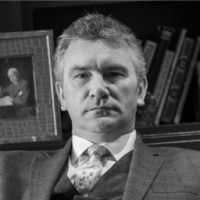
Competence is a fundamental requirement of effective health, safety, environmental and quality management.
Many organisations rely on qualifications, experience, and professional memberships as evidence of competence, without verifying whether individuals can apply their knowledge effectively in practice.
This session takes a practical, systems-based approach to competence management, exploring how it can be clearly defined, assessed, and controlled—both internally and across procurement and contractor management processes. Using a Plan–Do–Check–Act (PDCA) framework aligned with ISO principles; it will show how competence can be monitored and continually improved.
Drawing on real-world examples, including lessons learned from major incidents such as Grenfell, the session will highlight the risks of relying on credentials alone, and what robust, evidence-based competence looks like in practice.


-
Lone worker safety is a priority for you, but how do you make it a priority for your team? From leveraging simplified technology to gamifying and incentivising your team, learn how to adopt tracking technology in a way that works for you and your team.
-
As a key component in ensuring that workers are competent to perform their roles in a healthy and safe way, its vital that training is appropriate and effective. During this session, Chris will discuss the ways that competence is achieved, explore employers' responsibilities and focus specifically on what should be considered when workplace training is being developed and/or sourced - including the principles of effective learning design and current L&D trends.
-
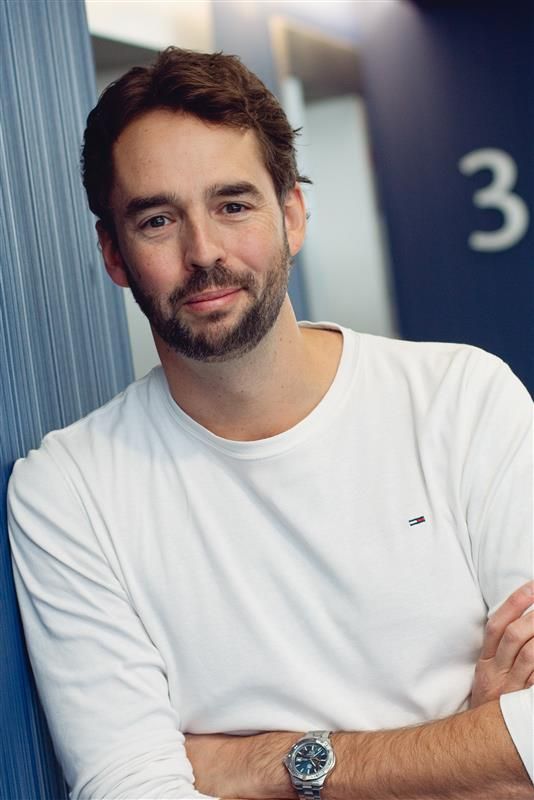
AI tools like ChatGPT are quickly becoming part of everyday work for health and safety teams. Used well, they can save time - helping with tasks like drafting reports, summarising guidance, or shaping training content. But when it comes to analysing incidents, identifying trends, or supporting safety-critical decisions, general AI tools have limits. They don’t understand your data, your organisation, or the regulatory and operational context behind your health and safety work. Relying on them without that context can lead to missed risks, poor judgement, and decisions that are hard to defend. In this session, we’ll look at where general AI works best, and where purpose-built safety intelligence is the safer choice to inform you risk management strategy.
Key Takeaways:
- Practical examples of where tools like ChatGPT add value for safety teams
- The risks of using general AI for incident analysis and safety decisions
- Why safety-specific AI like Notify Spark delivers more consistent, accurate and reliable insight
-
Want to become Chartered with your qualification and experience? Come and learn about our assessment processes and what's involved.
-
Health and wellbeing are firmly on the agenda, with HSE focusing its proactive inspections in this area in 2026, but many still struggle to secure consistent senior leadership attention, budget, and accountability.
If you’ve ever asked yourself “How do I get senior leaders to take this as seriously as safety” then this session is for you.
We will explore:
• Why health struggles to get board attention compared to safety
• How to reframe health in commercial language
• What data actually lands with senior leaders
• How HSE’s 2026 focus changes the conversationDelegates will gain practical insight into influencing upwards, aligning health with business priorities, and strengthening governance and accountability at a senior level.
-
Discover how the IOSH Business Assurance Tool (BAT) assesses and advances your organisation’s OSH cultural maturity through a live demo and practical guide, empowering you to drive strategic safety improvements—plus, learn how to access a free trial to get started.
-
An introduction to IOSH: how it can benefit your career and the wider OSH profession
)
)
)
)
)
)
)
)
)
)
)
)
)
)
)
)
)
)
)
)
)
)
)
)
)
)
)
)
)
)
)
)

)
)
)
)
)
)
)
)
)
)
)
)
)
)
)
)
)
)
)